10 Signs of Low EQ: Boost Your Emotional Intelligence Test Score & Skills
Do you ever feel like you’re speaking a different language from everyone else? Perhaps you find yourself in frequent misunderstandings, struggling to manage intense emotions, or watching relationships fizzle out without knowing why. Many people face these challenges, often unaware they might be experiencing the common signs of low emotional intelligence. Am I emotionally unintelligent? If you've ever asked yourself this, you're not alone, and more importantly, you're in the right place to find answers.
Recognizing these signs isn't about judgment; it's the first empowering step toward growth. This article will guide you through ten key indicators of a lower Emotional Quotient (EQ) and provide actionable steps to enhance your emotional skills. Understanding your EQ is the key to unlocking a more connected and fulfilling life. A great starting point is to discover your EQ with a foundational assessment.
Understanding Low Emotional Intelligence: A Foundation
Before we dive into the specific signs, it's essential to build a solid foundation. Emotional intelligence is a concept that has transformed our understanding of success and well-being, moving beyond traditional measures like IQ.
What Exactly Is Emotional Intelligence (EQ)?
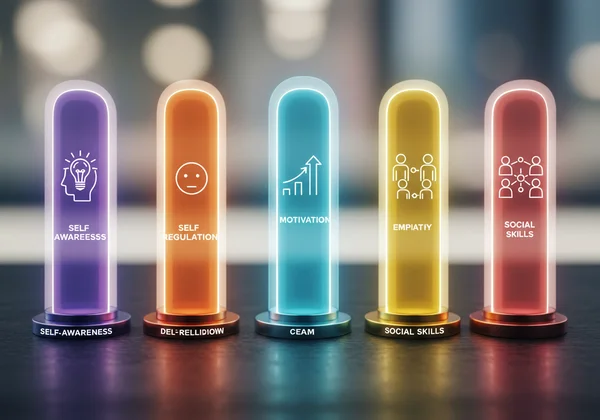
Emotional Intelligence (EQ) is the ability to perceive, understand, manage, and use emotions to facilitate thinking and guide your actions. Popularized by psychologist Daniel Goleman, it’s not about suppressing feelings, but rather about harnessing them intelligently. It generally comprises five key pillars: self-awareness, self-regulation, motivation, empathy, and social skills. Think of it as your emotional literacy—the skill with which you read your own feelings and those of others.
Why EQ Matters More Than You Think
While a high IQ can get you through school, a high EQ gets you through life. Strong emotional intelligence is linked to better leadership, improved decision-making, deeper personal relationships, and greater overall happiness. In the workplace, it’s a critical factor for collaboration, conflict resolution, and inspiring teams. In your personal life, it fosters understanding, trust, and connection. Neglecting your EQ can leave you feeling stuck, both professionally and personally.
Am I Emotionally Unintelligent? 10 Key Signs of Low EQ Traits to Watch For
If you recognize yourself in some of the following points, see it as an opportunity for self-discovery. Here are ten common signs that your emotional intelligence may need some attention.

1. Difficulty Managing Your Own Emotions
Do small frustrations quickly turn into major anger? Do you often feel overwhelmed by anxiety or stress? A hallmark of low EQ is the inability to regulate your emotional responses. You might react impulsively in the heat of the moment, only to regret your words or actions later.
2. Struggling with Empathy and Understanding Others
Empathy is the cornerstone of emotional connection. If you find it hard to see situations from another person’s perspective or often dismiss their feelings as "overreactions," it points to a developmental area in your EQ. You might assume everyone sees the world exactly as you do.
3. Frequent Misunderstandings & Communication Breakdowns
People with lower EQ often struggle with communication because they miss non-verbal cues. You might take things too literally, fail to grasp the underlying emotion in a conversation, or find that your intended message is constantly being misinterpreted, leading to frustration and conflict.
4. Resistance to Feedback and Blaming Others
How do you react to constructive criticism? If your immediate response is to become defensive, make excuses, or shift blame onto someone else, it’s a strong sign of low self-awareness. High-EQ individuals see feedback as a valuable opportunity for growth, not a personal attack.
5. Trouble Forming or Maintaining Relationships
Building and sustaining healthy relationships requires emotional give-and-take. Low EQ can make this incredibly challenging, leading to a pattern of short-lived friendships, romantic turmoil, or a general sense of social isolation. Others may perceive you as insensitive or difficult to connect with.

6. You Hold Grudges
Letting go of past hurts is an act of emotional regulation. If you find yourself holding onto resentments for long periods and replaying negative events in your mind, it suggests a difficulty in processing and moving past challenging emotions.
7. You Assume the Worst
A tendency to jump to negative conclusions, both about situations and people's intentions, can be a sign of low EQ. This often stems from an inability to manage your own anxiety and a lack of empathy, preventing you from considering alternative, more positive explanations.
8. You Don't Know Your Emotional Triggers
Are you consistently surprised by your own intense reactions? A person with high EQ has the self-awareness to recognize what situations or comments (triggers) will set them off. Without this knowledge, you're left reacting to the world instead of thoughtfully responding to it. The first step to understanding these triggers is to start your assessment.
9. You Struggle with Active Listening
In conversations, are you truly listening, or just waiting for your turn to speak? People with lower EQ often dominate conversations, interrupt frequently, or appear distracted. They fail to listen for the emotional context behind the words, missing crucial information and damaging rapport.
10. You Have a Limited Emotional Vocabulary
If your emotional language is limited to "mad," "sad," and "fine," you may be missing the rich tapestry of human feeling. High EQ involves being able to pinpoint specific emotions—like frustration, disappointment, or contentment—which is the first step toward managing them effectively.
The Impact of Low EQ Traits on Your Life
Recognizing these signs is important because low emotional intelligence has real-world consequences that can hold you back from reaching your full potential.
At Work: Stagnation and Conflict
In a professional setting, low EQ can manifest as difficulty working in a team, poor leadership skills, and an inability to handle workplace stress. This can lead to missed promotions, strained relationships with colleagues, and a career that feels stagnant. Many companies now use an emotional intelligence test to identify high-potential leaders.
In Relationships: Strain and Isolation
On a personal level, the impact is just as profound. A lack of empathy and poor emotional regulation can push loved ones away, creating a cycle of arguments and loneliness. It prevents the deep, meaningful connections that are essential for human happiness and well-being.
Boosting Your Emotional Skills: Practical Steps to Improvement
The most empowering truth about emotional intelligence is that it’s not fixed. It's a set of skills you can develop with intention and practice. The journey begins with understanding your baseline.
Step 1: Cultivate Self-Awareness to Understand Your Emotions
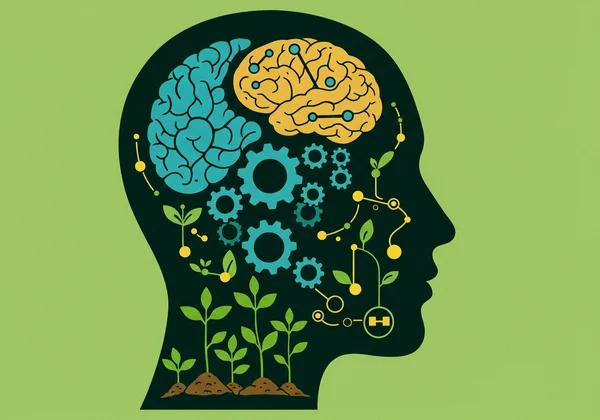
You cannot manage what you do not recognize. Begin by paying attention to your feelings throughout the day. Ask yourself: What am I feeling right now? What caused this feeling? Journaling can be a powerful tool for this. The absolute best way to kickstart this process is to get an objective baseline by taking a free eq emotional intelligence test.
Step 2: Master Emotional Regulation and Respond Thoughtfully
Once you are aware of an emotion, practice pausing before you react. When you feel anger rising, take a deep breath. This simple act creates a space between the emotional trigger and your response, giving you the power to choose a more constructive action.
Step 3: Enhance Empathy by Seeing Other Perspectives
Make a conscious effort to consider other people's perspectives. During conversations, practice active listening: put your phone away, make eye contact, and try to understand the speaker's feelings, not just their words. Ask clarifying questions like, "It sounds like you felt really frustrated. Is that right?"
Step 4: Improve Social Skills for Deeper Connections
Work on your communication skills. Learn to give constructive feedback gracefully and be open to receiving it. Pay attention to non-verbal cues like body language and tone of voice. Small improvements here can dramatically change how others perceive and interact with you. To see where you stand, get your free score and start your journey.
Your Journey to Higher EQ Starts Now
Spotting these signs of low EQ isn't a setback; it's your first powerful step towards real personal and professional growth. You now have the clarity to begin building your self-awareness, master your reactions, deepen your connections, and truly balance your life.
Your first step is simple: gain clarity. Discover your unique emotional profile by taking our free, science-inspired Emotional Intelligence Test. It’s quick, insightful, and the perfect foundation for building a higher EQ. Begin your journey today and unlock the skills you need to thrive.
Frequently Asked Questions About Emotional Intelligence
What is a good score on an emotional intelligence test?
Scores are often presented as a range rather than a simple pass/fail. Generally, a score is considered in context. Instead of aiming for a "perfect" number, focus on understanding your specific strengths and areas for development. Our report helps you interpret your score and provides actionable insights.
Is there a reliable test for emotional intelligence?
Yes, there are many reliable assessments. While some, like the MSCEIT, are clinical, accessible online tools can provide valuable insights for personal growth. Our emotional intelligence assessment is inspired by established scientific theories and designed to give users practical, easy-to-understand feedback for self-improvement.
How long does an emotional intelligence test usually take?
Most online emotional intelligence tests are designed to be brief and user-friendly. Our test, for instance, consists of 20 questions and typically takes only 5-10 minutes to complete, providing you with an immediate foundational score.
Can I really improve my emotional intelligence?
Absolutely! Unlike IQ, which is relatively stable, emotional intelligence is a flexible set of skills that can be learned and strengthened over time. With consistent practice in self-awareness, regulation, and empathy, anyone can significantly boost their EQ. The key is to start, and you can unlock your insights right now.