Emotional Intelligence Test for Students: A Guide to Academic Success
The pressure to get good grades, manage a busy schedule, and navigate complex social circles can feel overwhelming for any student. Many talented students find themselves struggling with exam stress, difficult group projects, or feeling disconnected on campus, even when they excel intellectually. Have you ever wondered if there's a missing piece to the academic success puzzle? This guide explores how understanding your emotional intelligence (EQ) can transform both your learning and your social life, offering practical strategies tailored for the student experience.
Emotional intelligence involves understanding, using, and managing your emotions in positive ways. This skill helps you relieve stress, communicate effectively, empathize with others, overcome challenges, and defuse conflict. A targeted EQ test can give you a clear picture of your emotional strengths and weaknesses. By taking our free emotional intelligence test, you can get the insights needed to thrive in your academic journey.
Why Emotional Intelligence Matters More Than Ever in Education
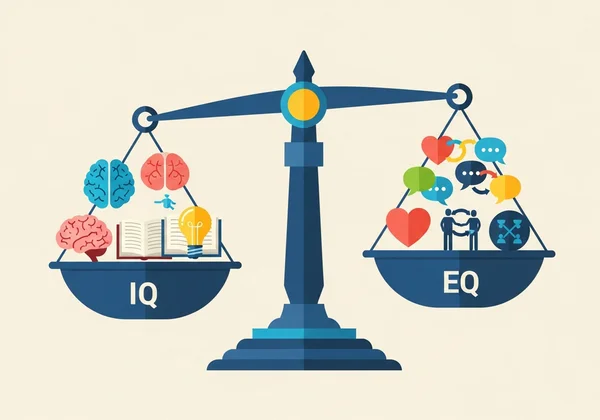
In today's competitive academic environment, intelligence (IQ) is often seen as the primary key to success. However, research and real-world experience show that emotional intelligence is an equally powerful predictor of a student's achievement and well-being. It's the engine that drives focus, resilience, and collaboration—skills that are essential both in and out of the classroom.
Beyond Grades: How EQ Predicts Long-Term Student Success
While high grades matter, they don't tell your whole story. Your emotional intelligence—particularly skills like self-discipline, motivation, and stress management—determines your ability to persist through challenging subjects and recover from academic setbacks. Studies have shown that students with higher EQ tend to have better attendance, are more engaged in their studies, and are more likely to set and achieve long-term goals.
These skills extend far beyond graduation. Employers consistently rank emotional intelligence among the most sought-after qualities in new hires. By developing your EQ as a student, you are not just aiming for a better report card; you are building a foundation for a successful and fulfilling career and life.
The Hidden Curriculum: Social-Emotional Skills Modern Schools Overlook
Schools provide a structured curriculum for subjects like math and science, but the "hidden curriculum" of social and emotional learning is often left for students to figure out on their own. This includes navigating friendships, working in teams, handling criticism, and managing disappointment. These are the challenges where emotional intelligence truly shines.
Without a strong grasp of these skills, even the brightest students can struggle. An EQ test for students helps illuminate these areas, turning unspoken challenges into opportunities for growth. It provides a roadmap for developing the social and emotional competencies needed to succeed in every aspect of student life.
How EQ Testing Identifies Your Academic Strengths and Challenges
An emotional intelligence test is more than just a quiz; it’s a tool for self-discovery. It acts like a mirror, reflecting your unique emotional profile and highlighting areas where you naturally excel and areas that may need more attention. For students, this feedback is incredibly valuable for navigating academic pressures.
Understanding Your EQ Score in an Academic Context
After completing an emotional intelligence assessment, you receive a profile outlining different components of your EQ, such as self-awareness, self-regulation, empathy, and social skills. In an academic context, this isn't about getting a "good" or "bad" score. Instead, it's about understanding what your profile means for your learning style and interactions.
For example, a high score in self-regulation might mean you are great at managing your time and staying focused during long study sessions. A lower score in empathy might indicate that group projects are a challenge because you find it difficult to understand your teammates' perspectives. Understanding this helps you create targeted strategies for improvement. You can start your test now to see your own profile.

Key Emotional Skills for Classroom Success Revealed Through Testing
A comprehensive test can reveal specific skills that directly impact classroom performance. These key competencies are often the difference between struggling and thriving.
- Self-Awareness: Do you recognize when you're feeling overwhelmed before it affects your work? This skill helps you manage study stress and seek help when needed.
- Emotional Regulation: Can you stay calm before a big exam or after receiving a disappointing grade? This allows you to think clearly and make rational decisions.
- Motivation: Are you able to push through boring assignments to reach your long-term goals? This inner drive is crucial for consistent academic effort.
- Social Skills: How effectively do you communicate with professors and collaborate with peers? Strong social skills are vital for participation and teamwork.
Applying EQ Insights to Improve Academic Performance
Gaining insight into your emotional intelligence is the first step. The real transformation happens when you apply that knowledge to your daily student life. By leveraging your EQ profile, you can develop smarter, more effective strategies for studying, learning, and collaborating.
Managing Study Stress Through Self-Awareness Strategies
Stress is an unavoidable part of being a student, but it doesn’t have to control you. Self-awareness is your first line of defense. By recognizing your personal stress triggers—whether it's looming deadlines, a difficult subject, or social pressures—you can act before you feel overwhelmed.
For instance, if your test results show that you struggle with recognizing emotional shifts, you can practice mindfulness or journaling to become more attuned to your feelings. This allows you to take a break, go for a walk, or use a relaxation technique before stress compromises your ability to study effectively.
Enhancing Focus and Learning Through Emotional Regulation
Your ability to focus is directly linked to your emotional state. Anxiety, frustration, and boredom can make it nearly impossible to absorb new information. Emotional regulation is the skill of managing these feelings so they don't derail your concentration.
If you know you get easily frustrated when a concept is hard to grasp, you can develop strategies to manage that emotion. You might break the topic into smaller, more manageable parts or set a timer for 25 minutes of focused work followed by a 5-minute break. This proactive approach keeps your emotions in check and your mind ready to learn. Discovering your emotional patterns is a great starting point, and you can get started with a free EQ assessment today.
Group Project Success: Leveraging Your Emotional Intelligence Profile
Group projects are a classic academic challenge where EQ is often more important than IQ. Success depends on communication, empathy, and conflict resolution. Your emotional intelligence profile can provide a guide for navigating team dynamics.
If your profile highlights strong empathy, you can take on the role of mediator, ensuring everyone feels heard. If you discover that your social awareness is an area for growth, you can make a conscious effort to listen more actively to your teammates' ideas before offering your own. This transforms group work from a source of frustration into a valuable learning experience.

Building Stronger Campus Relationships with Enhanced EQ
Your time as a student isn't just about academics; it's also about building connections that can last a lifetime. Emotional intelligence is the foundation of healthy and rewarding relationships, from friendships with roommates to professional connections with professors.
From Classroom to Dormitory: Applying EQ to Everyday Campus Interactions
The social landscape of a school or university is complex. High emotional intelligence helps you navigate it with confidence and grace. It enables you to understand social cues, express yourself clearly, and build rapport with a diverse range of people.
Whether you're negotiating shared responsibilities with a roommate, participating in a club, or networking at a career fair, your EQ is at play. Understanding others' perspectives (empathy) and managing your own reactions (self-regulation) are critical skills for creating a positive and supportive social environment for yourself and those around you.
Conflict Resolution Skills Every Student Needs to Master
Disagreements are inevitable, whether with a classmate, a friend, or a professor. How you handle these conflicts determines their outcome. Students with high EQ are better equipped to resolve disagreements constructively instead of letting them escalate.
Key EQ skills like active listening, understanding another person's point of view, and communicating your own needs calmly are essential for effective conflict resolution. Developing these abilities not only reduces social stress but also builds a reputation for being mature and reliable—qualities that are valuable in every area of life.
Your Journey to Academic and Social Excellence Starts with Self-Awareness
Think of your academic journey as a puzzle. Your intellectual abilities form the main picture, but emotional intelligence is the key piece that brings everything together, transforming your learning experience from good to exceptional. It helps you manage stress, stay motivated, collaborate with others, and build meaningful relationships.
Understanding your emotional profile allows you to transform academic challenges into growth opportunities. This self-awareness unlocks your full potential as a student. The first step on this transformative journey is simple: gaining a clear understanding of where you stand.
Ready to discover your emotional intelligence profile and unlock your academic potential? Take our free emotional intelligence test today and receive personalized insights to enhance your learning experience and campus relationships.
Frequently Asked Questions About Emotional Intelligence Testing for Students
How long does the emotional intelligence test for students take?
Most online emotional intelligence tests, including ours, are designed to be quick and convenient for busy students. Our assessment consists of 20 questions and typically takes about 5-10 minutes to complete, giving you immediate insights without a major time commitment.
What is a good EQ score for academic success?
There isn't a universal "good" score for EQ. The goal is not to achieve a perfect number but to understand your personal profile of strengths and areas for development. Success comes from using the insights from your results, no matter the score, to build better habits for managing stress, studying, and collaborating.
Can emotional intelligence really improve my grades?
Yes, indirectly but powerfully. While EQ won't give you the answers on a history test, it provides the skills needed to learn more effectively. Better emotional regulation leads to improved focus, greater self-motivation helps you persist through difficult material, and enhanced social skills make group projects more successful, all of which can contribute to better academic performance.
Is the EQ test for students accurate and reliable?
Our test is designed based on established psychological concepts of emotional intelligence to provide relevant and practical insights. It is intended for educational and self-development purposes. It's important to remember that this is a tool for self-awareness, not a clinical diagnosis. For a deeper understanding of your results, you can see your results and explore our AI-powered personalized report.
How often should students take an emotional intelligence test?
Emotional intelligence is not fixed; it can be developed over time with practice. It can be helpful to take an EQ test at the beginning of an academic year to set goals. You might retake it every 6 to 12 months to track your progress and identify new areas to focus on as you continue to grow.